Piper Cherokee Six/300
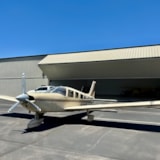
The Piper Cherokee Six 300 (PA-32-300) is a rugged, high-payload, single-engine utility aircraft designed for dependable short- and medium-range operations. Produced by Piper Aircraft Company from the mid-1960s through the late 1970s, the Cherokee Six has earned a reputation as one of the most capable piston singles ever built for hauling people, cargo, or both.
Its combination of exceptional useful load, wide cabin, large cargo doors, and short-field capability makes the Cherokee Six a natural fit for mission aviation, humanitarian relief, and disaster-response operations where simplicity, reliability, and access to small airfields are critical.
General Description
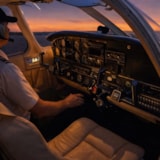
The Cherokee Six is a low-wing, fixed-gear aircraft powered by a 300-horsepower Lycoming IO-540 engine. Unlike smaller general aviation singles optimized primarily for speed or training, the PA-32-300 was purpose-built as a working airplane—capable of lifting heavy loads, operating from unimproved runways, and accommodating bulky cargo.
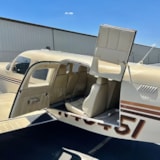
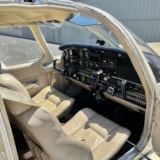
A defining feature of the Cherokee Six is its large, double cargo doors located on the right rear fuselage, allowing easy loading of stretchers, boxes, food supplies, and medical equipment. The wide, nearly rectangular cabin provides flexibility rarely found in single-engine aircraft.





Technical Specifications
(Specifications vary slightly by year and configuration; values below are representative of the PA-32-300 Cherokee Six 300.)
Performance
- Cruise Speed: ~135–145 knots
- Range: ~700–850 nautical miles
- Service Ceiling: ~14,000 feet
- Rate of Climb: ~1,000 ft/min
- Takeoff Distance (50 ft obstacle): ~1,800–2,200 ft
- Landing Distance (50 ft obstacle): ~1,700–1,900 ft
Cabin
- Wide, non-pressurized cabin with flat floor
- Large double cargo doors for rear-cabin access
-
Cabin dimensions (approx.):
- Length: ~10.5 ft
- Width: ~4.0 ft
- Height: ~4.0 ft
- Removable rear seats for cargo or medical configurations
Power Plant
- Engine: Lycoming IO-540-K1A5
- Horsepower: 300 HP
- Features: Naturally aspirated, fuel-injected, constant-speed propeller
Airframe
- Wingspan: 32 ft 9 in
- Length: 27 ft 7 in
- Height: 8 ft 8 in
- Wing Area: ~174 sq ft
Weights & Capacities
- Max Takeoff Weight: 3,400 lbs
- Useful Load: ~1,450–1,550 lbs
- Fuel Capacity: 84 gallons usable
- Payload with Full Fuel: ~950–1,050 lbs
- Typical Seating: 1 pilot + 5–6 passengers
Notable Modifications
- Vortex generators (VGs) for improved low-speed handling
- STOL kits for enhanced short-field performance
- Upgraded avionics and glass cockpit retrofits
- Cargo floor reinforcement kits
- Interior removal kits for utility or relief missions
Benefits of the Piper Cherokee Six/300
The Cherokee Six is a classic utility mission aircraft—well suited to the type of regional, tactical, and rapid-response operations that Judah 1 regularly supports.
Regional Disaster Relief and Rapid Response
With its short-field capability and heavy payload, the Cherokee Six excels at flying into small, rural, or lightly improved airstrips often found near disaster zones. It can:
- Deliver food, water, and hygiene kits after hurricanes, floods, or tornadoes.
- Transport generators, chainsaws, tarps, and emergency supplies.
- Operate from airfields inaccessible to larger aircraft.
- Provide same-day response within a 400–600 nautical mile radius.
Mission Team and Personnel Transport
The aircraft comfortably carries:
- Up to six passengers with light baggage, or
- Four passengers plus significant cargo or equipment.
This makes it ideal for transporting pastors, missionaries, medical volunteers, and assessment teams to remote communities or staging locations ahead of larger deployments.
Medical and Humanitarian Operations
With the rear seats removed, the Cherokee Six can be configured to carry:
- A medical stretcher or litter.
- Two medical attendants.
- Oxygen bottles, medical kits, and monitoring equipment.
While unpressurized, its stable flight characteristics and wide cabin make it a practical option for short-range medical transport and evacuations in rural areas.
Cargo and Supply Distribution
The combination of a high useful load and large cargo doors allows the Cherokee Six to transport:
- 900–1,000 lbs of supplies with full fuel.
- 1,200+ lbs on shorter legs.
Common mission cargo includes food boxes, water filters, medical supplies, construction tools, and ministry materials. The aircraft is especially effective for “last-mile” delivery following disasters.
Operational and Financial Efficiency
Compared to multi-engine or turbine aircraft, the Cherokee Six offers:
- Low operating and maintenance costs.
- Fuel burn typically around 15–17 gallons per hour.
- Simple systems and excellent mechanical reliability.
- Wide availability of parts and maintenance support.
- Single-pilot operation with minimal crew requirements.
This makes it an ideal aircraft for donor-supported missions, scouting flights, training, and operations where a larger aircraft would be unnecessary or cost-prohibitive.
Conclusion
The Piper Cherokee Six 300 is a dependable, versatile, and cost-effective aircraft that aligns closely with Judah 1’s mission of serving people in need. Its exceptional payload, short-field capability, and flexible cabin configuration make it especially valuable for regional missions, disaster relief, medical transport, and ministry support—providing practical reach where help is needed most.